Clarendon Hills, Illinois
Kitchen Mold Remediation and Removal in Clarendon Hills, IL
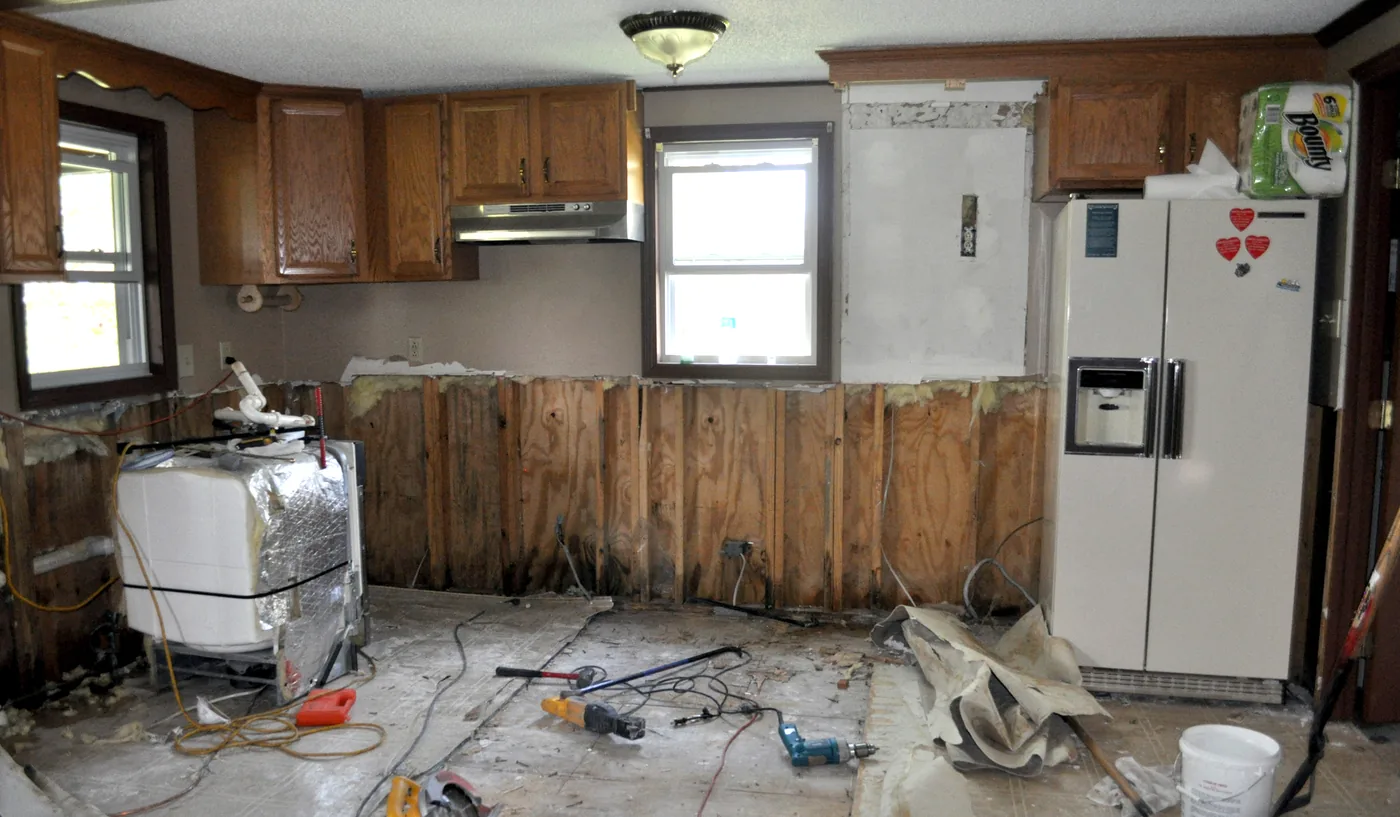
Kitchen mold in Clarendon Hills homes often originates from minor leaks. Technicians pinpoint the source at the sink, dishwasher, or refrigerator line for thorough removal.
When you call
What happens when you call Clarendon Hills's 24/7 line
Call (844) 352-3560 any hour. The line is answered 24/7 and insurance is accepted.
The process
The kitchen mold remediation and removal process in Clarendon Hills, IL
Inspection
Technicians inspect areas under the sink, around the dishwasher, and behind the refrigerator for moisture and discoloration.
Source Identification
The precise moisture source, whether plumbing, an appliance line, or condensation, is identified before remediation begins.
Remediation
Affected cabinet components, drywall, or subflooring is removed; cleanable surfaces are treated with antimicrobial solutions.
Drying
Enclosed cabinet spaces and flooring are dried completely, as trapped moisture persists longer there than in open areas.
Verification
Final moisture readings confirm the structure is dry before cabinetry is reinstalled or new materials are installed.
Why Clarendon Hills homeowners call
Kitchen Mold Remediation done to the IICRC S520 standard in Clarendon Hills, IL
Comprehensive Moisture Source Investigation
Identifying the true moisture origin prevents recurrence, distinguishing between plumbing issues, appliance failures, or condensation.
Transparent Cabinetry Assessment
The evaluation clearly states which cabinet components can be treated and which must be replaced due to saturation.
Documented Remediation Process
Detailed documentation, including photos and moisture readings, supports any necessary communications with insurance carriers.
Thorough Subfloor Inspection
Technicians meter the subfloor beneath cabinetry, as slow leaks commonly cause significant hidden damage.
When to call
When to book Kitchen Mold Remediation in Clarendon Hills
- A persistent musty odor emanating from under the sink cabinet
- Swelling or delamination of the cabinet base near the dishwasher
- Dark staining visible on the cabinet back panel behind plumbing
- Warped or softened flooring in front of the kitchen sink
- Water staining behind the refrigerator or along the ice maker supply line
- A leaking dishwasher door seal dripping onto the cabinet toe kick
Any one of these is reason enough to call (844) 352-3560, the line is answered 24/7.
Scope of work
What the crew removes and treats in Clarendon Hills homes
Particleboard cabinet base
Removed once swollen, as structural integrity is lost
Cabinet back panel
Taken down to access and dry the wall cavity behind
Drywall behind the sink run
Opened if the paper facing shows mold colonization
Subfloor under the sink
Tested for moisture; dried or replaced if readings remain elevated
Toe kick and base trim
Removed because water becomes trapped within the seams
Caulk and grout at the counter
Cut out and replaced only after the underlying cavity is thoroughly dry
Not sure how far the damage runs? Describe it on the phone at (844) 352-3560, the line is answered 24/7.
By location
Kitchen Mold Remediation by city
Kitchen Mold Remediation covers Clarendon Hills and the whole DuPage County area. Pick your city for local detail and pricing.
Where the crews work
Kitchen Mold Remediation across Clarendon Hills & the DuPage County area
From Clarendon Hills out to Hinsdale, Westmont, Willowbrook, and the DuPage County area. The same crews, the same 24/7 line.
What it costs
Mold removal cost in Clarendon Hills, IL
Every job is different, so these are the typical Illinois ranges. They are planning numbers, not a quote. Your price depends on how much mold there is, where it is, and what caused it.
A single moldy spot, a closet, or under a sink. The crew seals it off, removes it, and treats the surface.
A bathroom, kitchen, or bedroom with mold on a wall or ceiling, plus the moisture source fixed.
Larger areas that need more containment and drying. Common here after spring rain or a slow leak.
Mold across several rooms or after major water damage. The work runs in phases, room by room.
The surest way to get a firm number is to call and have the crew walk the space with you. Want a ballpark first? Try the instant mold remediation cost calculator. Filing a claim? Insurance is accepted and the contractor works with your carrier, so read the mold insurance claims guide.
Time and scope
How long Kitchen Mold Remediation takes in Clarendon Hills, and what is included
How long the job takes
A job confined to one under sink cabinet often completes within two days. Timelines extend if subfloor drying is needed, wall cavities require access, or extensive cabinetry removal is necessary.
What is included, what is booked separately
- Establishment of containment with negative air pressure in the work zone
- Removal of water damaged cabinet materials and associated trim
- Moisture mapping of the subfloor and adjacent wall areas
- Antimicrobial treatment of exposed framing and salvageable surfaces
- Structured drying using air movers and dehumidifiers, with daily progress monitoring
Booked separately: Mold After Plumbing Leak, Floor and Subfloor Mold Removal, Mold Damage Restoration.
For a firm schedule and a written scope, call (844) 352-3560, the line is answered 24/7.
On the job
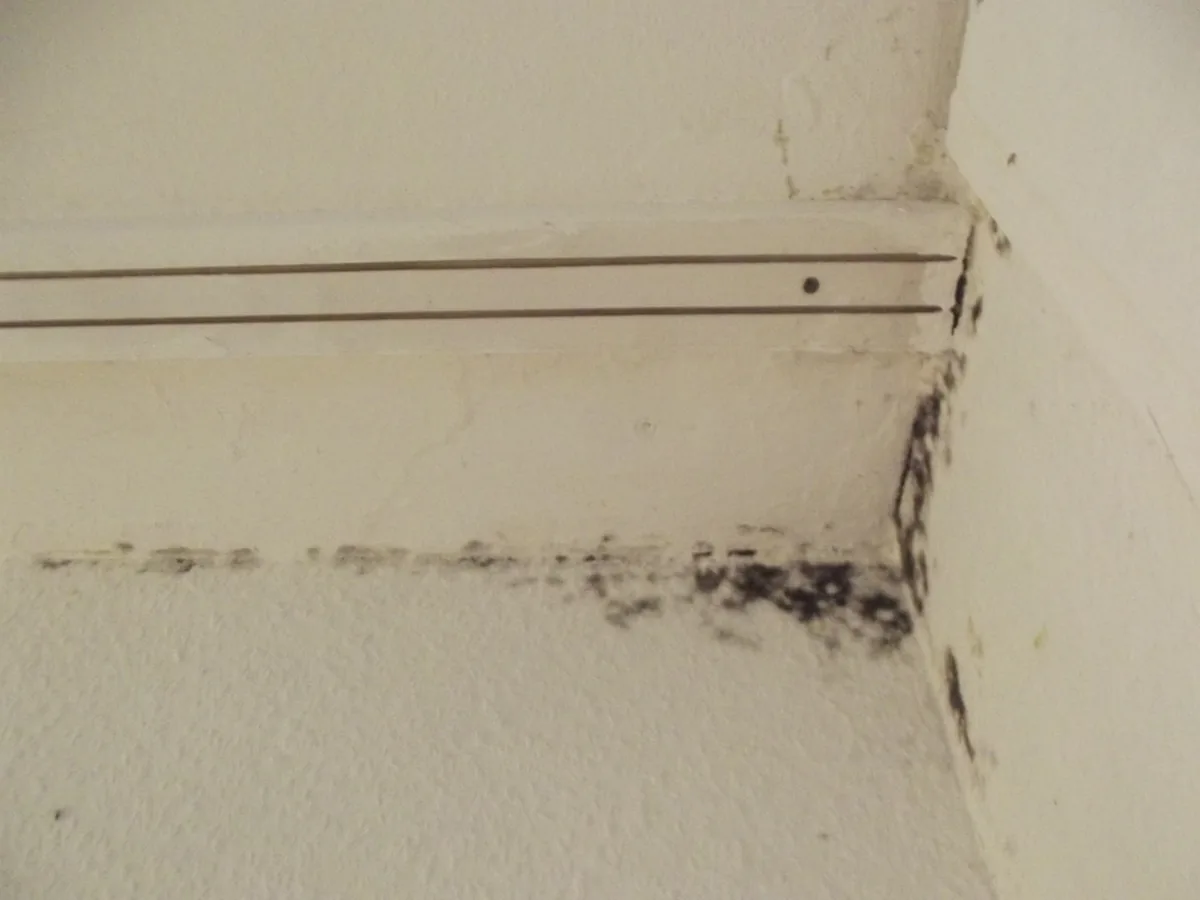
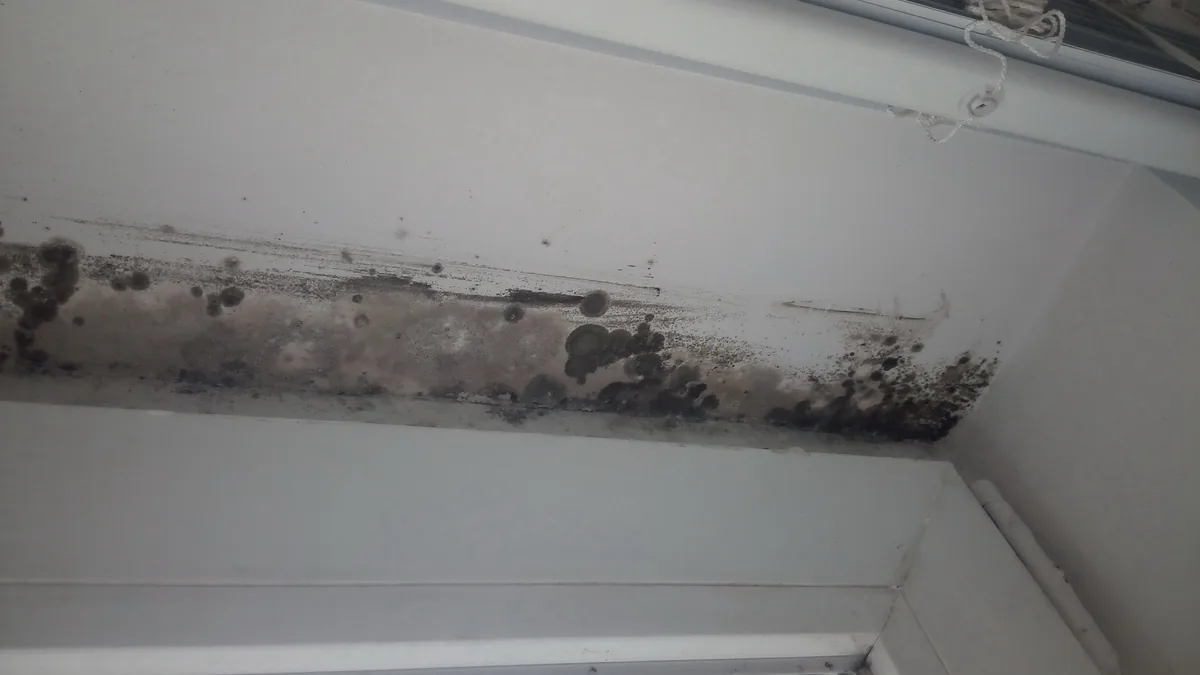
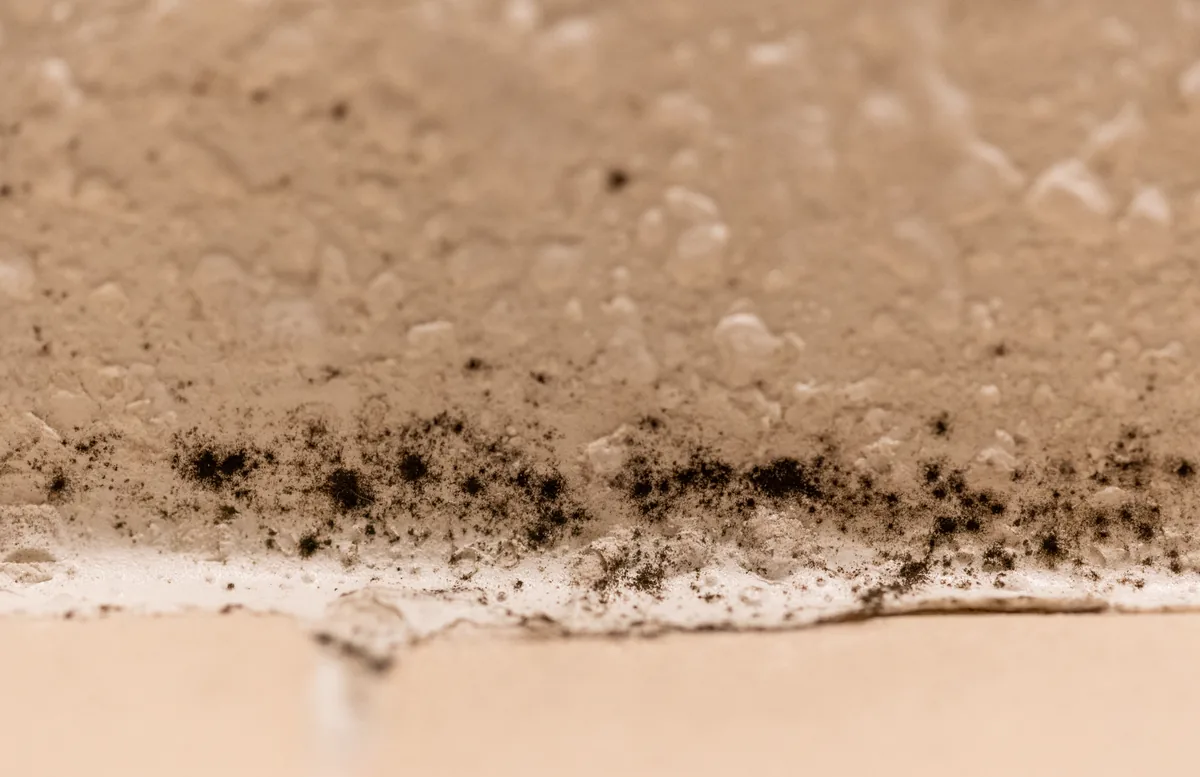
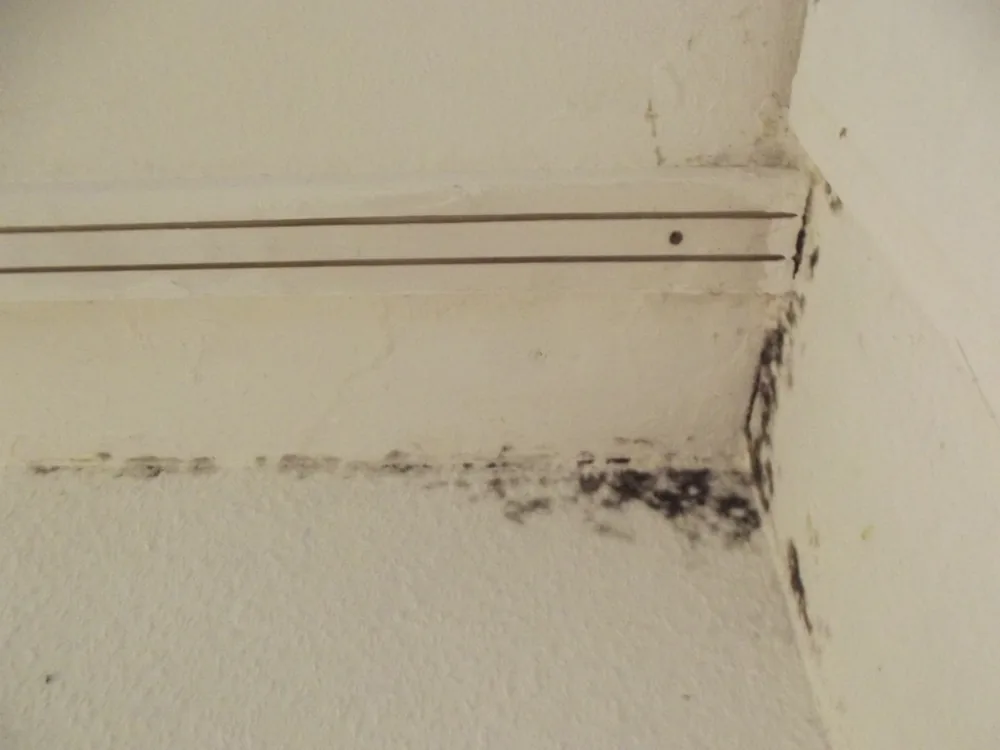
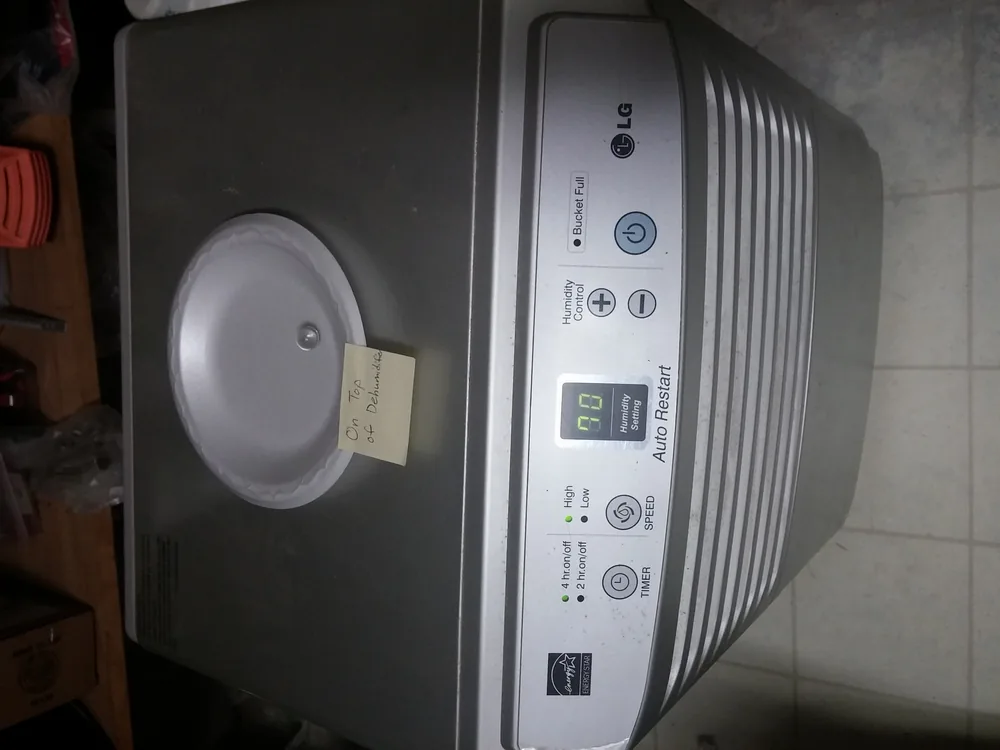
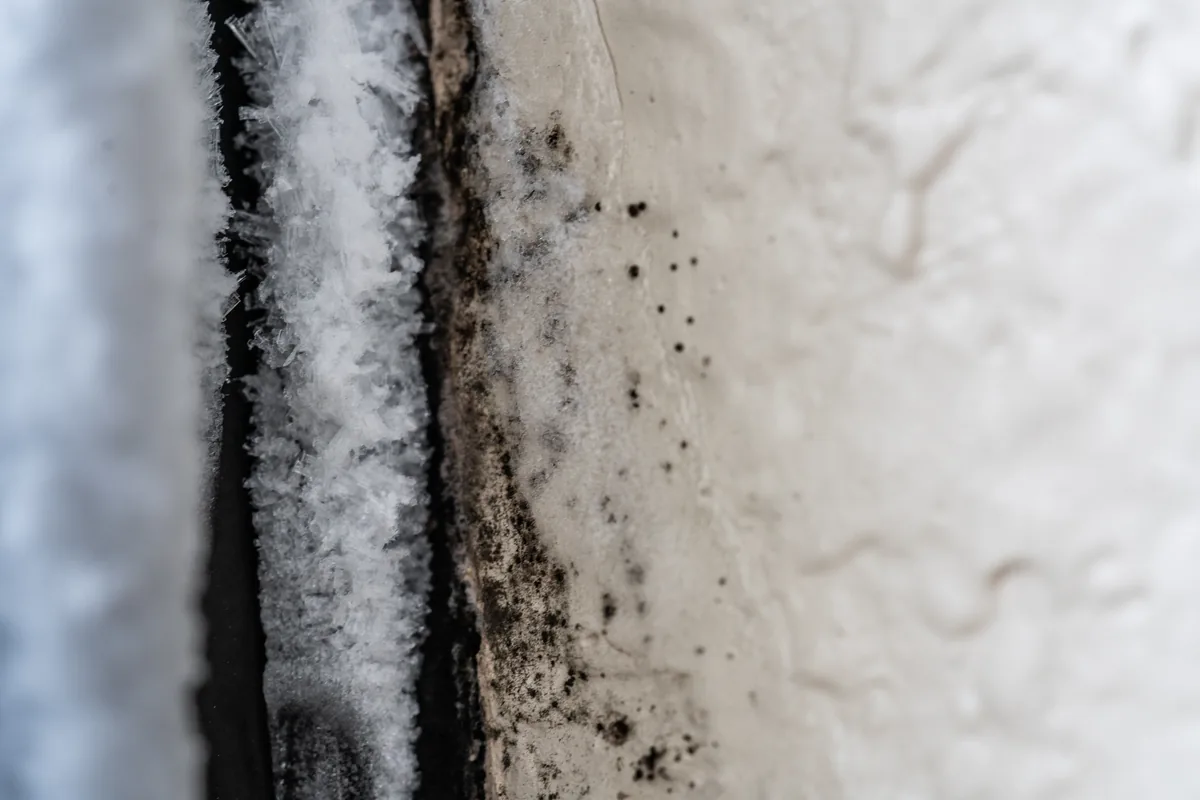
Mold remediation work in Clarendon Hills homes


Why Kitchen Mold Often Goes Unnoticed
Kitchen leaks can remain hidden for extended periods within enclosed cabinets, behind major appliances, or beneath flooring.
Visible signs like odors, swollen cabinet edges, or soft flooring often indicate prolonged moisture exposure, frequently necessitating more extensive removal.
Common culprits include a slow leak under the sink, a faulty dishwasher gasket, or a loose refrigerator water line connection.
Frequent daily use from dishwashing and appliance operation provides repeated opportunities for even a minor drip to cause damage.
For independent guidance on mold, moisture, and safe cleanup, see EPA: a guide to mold cleanup and moisture control and Illinois Department of Public Health and Environment.
Typical Mold Sources in Clarendon Hills Kitchens
These are the primary zones technicians examine during an initial assessment.
- Under-sink cabinet floor and back panel
- Behind and beneath the refrigerator, especially with ice-maker lines
- Around the dishwasher base and side panels
- Subfloor beneath vinyl or laminate flooring near the sink
- Drywall behind the stove if a water line runs nearby
Cabinetry: Evaluation for Repair or Removal
Particleboard cabinet bases, common in many area homes, absorb water quickly and often require replacement when saturated. Solid wood may be salvageable with cleaning and treatment.
Homeowners receive a straightforward evaluation on whether cabinetry can be saved or requires replacement.
Hardware and shelves are removed and stored. Non porous items are cleaned, while porous materials like shelf liners are disposed of.
The thinner cabinet back panel, situated closest to the wall, often shows damage first and is carefully inspected.
Immediate Steps for Early Detection
Noticing a musty odor under the sink or early swelling is the optimal time to contact a remediation specialist, as early intervention limits damage.
Delaying action can allow moisture to affect the subfloor, even when the external cabinet appearance seems normal.
Considerations for Historic Clarendon Hills Homes
Older homes in Clarendon Hills may feature custom cabinetry that presents matching challenges if removal is necessary.
In such cases, options are discussed upfront: preserving original materials where possible or planning for a compatible replacement section.
This consultation occurs prior to any removal work, ensuring informed decisions.
Open shelving and butcher block countertops, seen in updated kitchens, present unique drying and treatment considerations due to their exposed wood surfaces.
After the job
After the job: keeping it from coming back
Place a moisture alarm inside the under sink cabinet and dishwasher drip pan
Annually pull out the refrigerator to inspect the ice maker line connection
Recaulk around the sink rim and countertop backsplash when seals crack
Use the range hood vent during cooking to reduce indoor humidity levels
If it shows up again, or a new leak starts, call (844) 352-3560, the line is answered 24/7.
Good to know
Kitchen Mold Remediation in Clarendon Hills, IL: common questions
What are the signs of mold from a kitchen leak?
Key indicators include warped cabinet materials, a musty smell near appliances or the sink, or staining on cabinet interiors.
Will my kitchen cabinets need to be replaced?
It depends on the cabinet material and exposure level. Saturated particleboard typically requires replacement, while solid wood may be cleaned and saved.
Can a refrigerator water line cause a mold problem?
Yes. A slow leak from an ice maker line can persist unseen behind the appliance for months, creating an environment conducive to mold growth.
Is fixing the leak part of the service?
The moisture source is identified and documented, but permanent repairs to plumbing or appliances are handled separately by the appropriate trades.
Is the kitchen usable during the remediation work?
Often, yes, especially if work is contained to a small area like under the sink. The on site technician will specify any access restrictions.
Related services
More mold services in Clarendon Hills, IL
Standards
Standards the work is done to in Clarendon Hills
Questions about the scope? Call (844) 352-3560, open 24/7.
Talk to the mold removal team now
Need Kitchen Mold Remediation in Clarendon Hills, IL?
Call the 24/7 line and a local crew gets the problem contained fast, then removed the right way, to the IICRC S520 standard. A visit is often set the same day.