Clarendon Hills, Illinois
Plumbing Leak Mold Removal and Cleanup in Clarendon Hills, IL
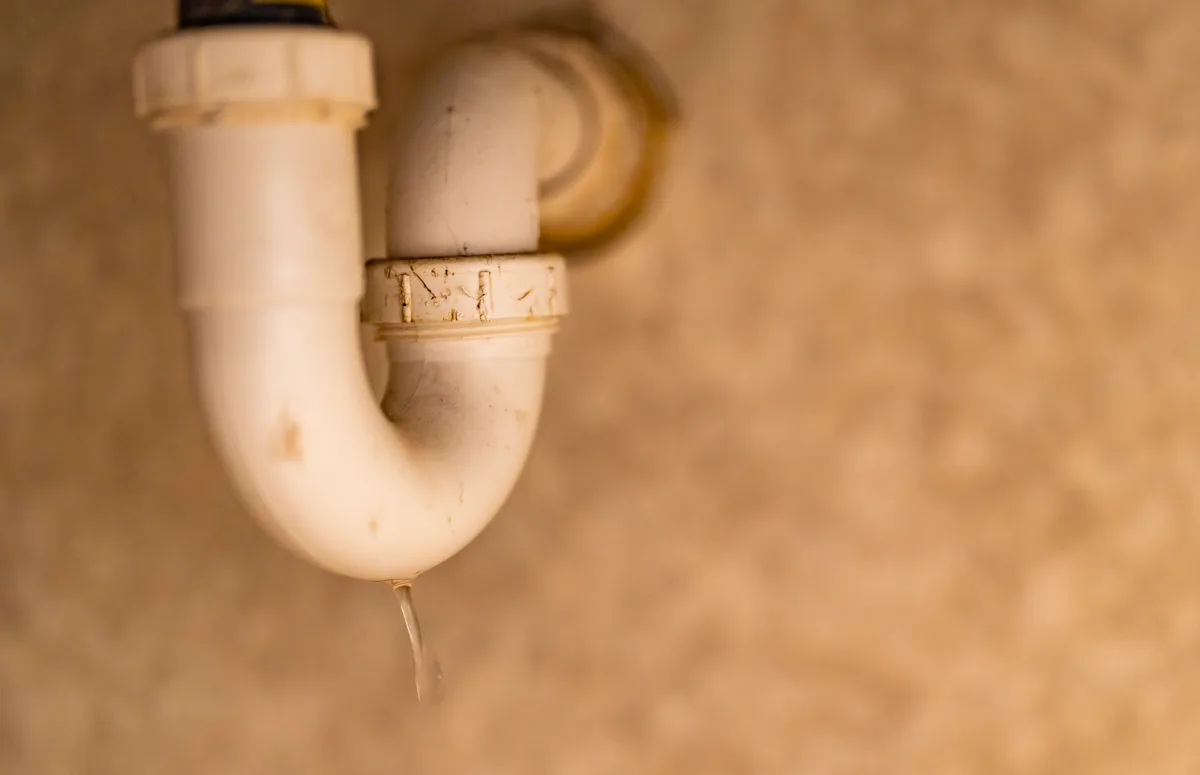
A slow leak under a sink or behind a wall can feed mold growth for weeks. Local technicians locate the source in your Clarendon Hills home, remove the mold, and thoroughly dry the affected structure.
When you call
What happens when you call Clarendon Hills's 24/7 line
Call (844) 352-3560 any hour. The line is answered 24/7 and insurance is accepted.
The process
The plumbing leak mold removal and cleanup process in Clarendon Hills, IL
Inspect
The leak path is traced to its source, and surrounding cavities are checked with a moisture meter.
Contain
The work area is sealed with negative air pressure to prevent spore spread when cutting into walls or cabinets.
Remove
Affected materials like drywall, cabinet backing, or subfloor are removed and bagged within the containment.
Dry
Air movers and dehumidifiers dry the cavity to a documented standard before any reconstruction.
Verify
Final moisture readings and a visual inspection confirm the area is dry and treated before the job concludes.
Why Clarendon Hills homeowners call
Mold After Plumbing Leak done to the IICRC S520 standard in Clarendon Hills, IL
Locating the source, not just the symptom
The inspection follows the leak's path to ensure the moisture issue is resolved, not just covered with new drywall.
Documented, transparent process
Photos, daily moisture logs, and a written scope document each plumbing-related job from initial assessment to final verification.
When to call
When to book Mold After Plumbing Leak in Clarendon Hills
- A supply line or drain has been leaking under a sink
- A musty odor near a toilet, bathtub, or water heater
- Bubbling paint or softened baseboard adjacent to a fixture
- A slab leak discovered under flooring in an older home
- A wall cavity that remained damp after a repaired pinhole leak
- A washing machine hose failure that soaked the adjacent wall
Any one of these is reason enough to call (844) 352-3560, the line is answered 24/7.
Scope of work
What the crew removes and treats in Clarendon Hills homes
Drywall
Cut back to the nearest dry stud bay above the moisture line
Baseboard and trim
Removed, as seams can wick moisture laterally
Cabinet backing
Removed to access the wall cavity behind the fixture
Batt insulation
Bagged intact if moisture readings indicate dampness
Subfloor and sill plate
Sanded, HEPA vacuumed, then treated with antimicrobial solution
Framing studs
Dried to target moisture levels, then coated with an encapsulant
Not sure how far the damage runs? Describe it on the phone at (844) 352-3560, the line is answered 24/7.
By location
Mold After Plumbing Leak by city
Mold After Plumbing Leak covers Clarendon Hills and the whole DuPage County area. Pick your city for local detail and pricing.
Where the crews work
Mold After Plumbing Leak across Clarendon Hills & the DuPage County area
From Clarendon Hills out to Hinsdale, Westmont, Willowbrook, and the DuPage County area. The same crews, the same 24/7 line.
What it costs
Mold removal cost in Clarendon Hills, IL
Every job is different, so these are the typical Illinois ranges. They are planning numbers, not a quote. Your price depends on how much mold there is, where it is, and what caused it.
A single moldy spot, a closet, or under a sink. The crew seals it off, removes it, and treats the surface.
A bathroom, kitchen, or bedroom with mold on a wall or ceiling, plus the moisture source fixed.
Larger areas that need more containment and drying. Common here after spring rain or a slow leak.
Mold across several rooms or after major water damage. The work runs in phases, room by room.
The surest way to get a firm number is to call and have the crew walk the space with you. Want a ballpark first? Try the instant mold remediation cost calculator. Filing a claim? Insurance is accepted and the contractor works with your carrier, so read the mold insurance claims guide.
Time and scope
How long Mold After Plumbing Leak takes in Clarendon Hills, and what is included
How long the job takes
Most single-fixture leaks are resolved within a few days. A slab leak, extensive water travel along a subfloor, or a necessary prior plumbing repair can extend the timeline.
What is included, what is booked separately
- Tracing the leak path using moisture meters and thermal imaging
- Containment with negative air pressure and HEPA filtration
- Removal of mold-colonized drywall, trim, and cabinet backing
- Structural drying to a documented moisture target
- A photographic log and moisture readings for insurance purposes
Booked separately: Wall and Drywall Mold Removal, Mold Damage Restoration, Mold Clearance Testing.
For a firm schedule and a written scope, call (844) 352-3560, the line is answered 24/7.
On the job
Mold remediation work in Clarendon Hills homes
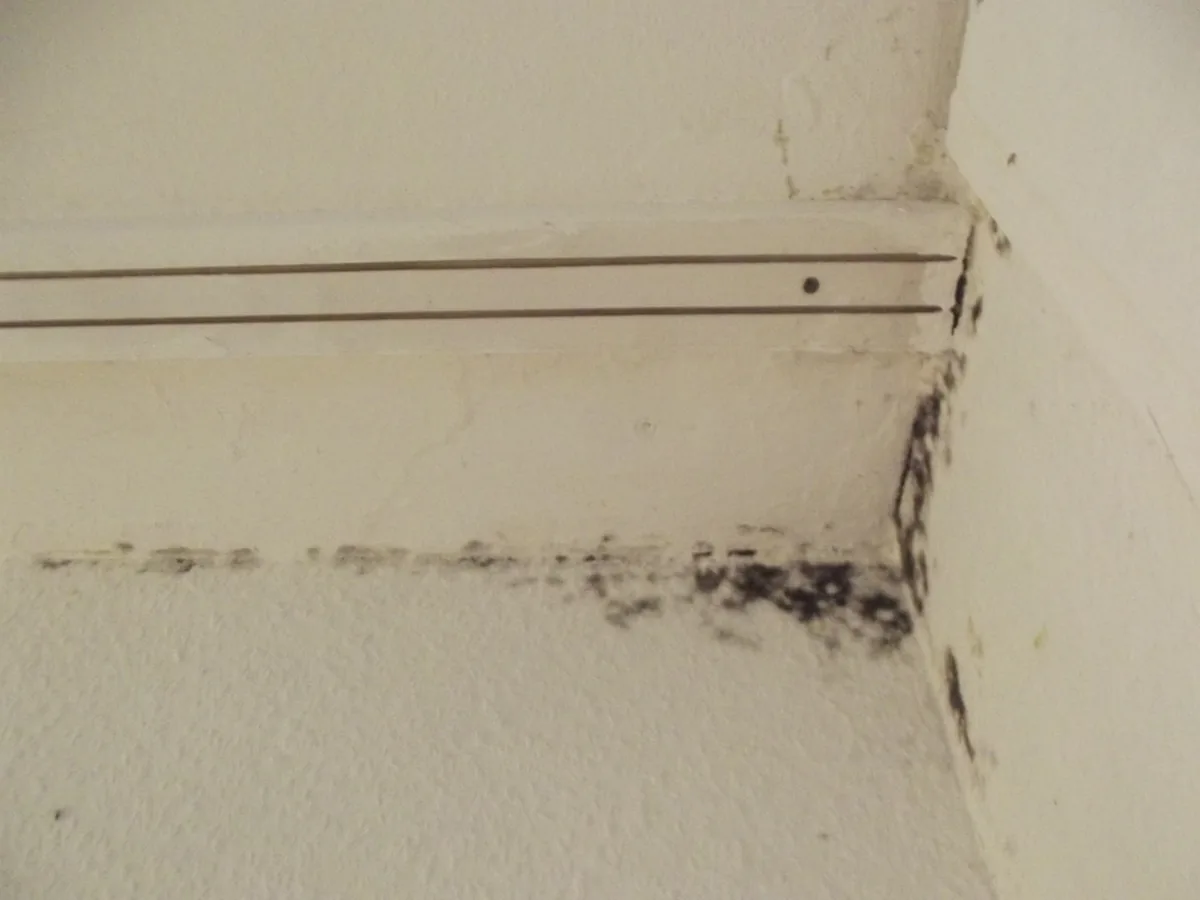
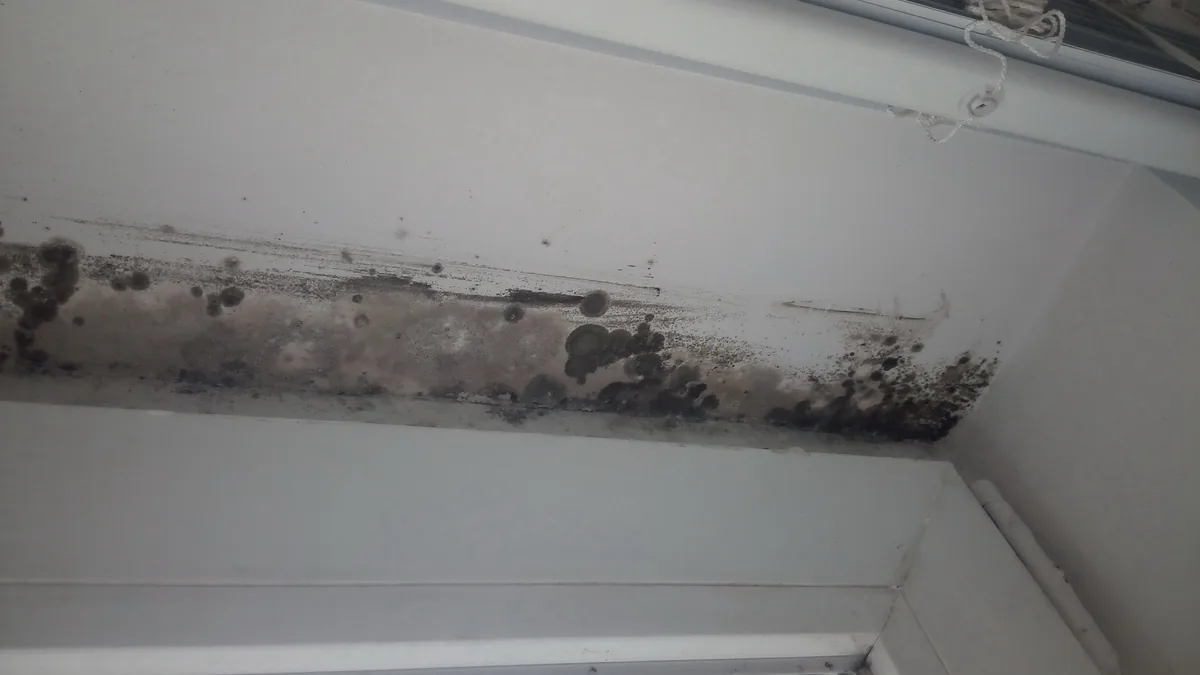
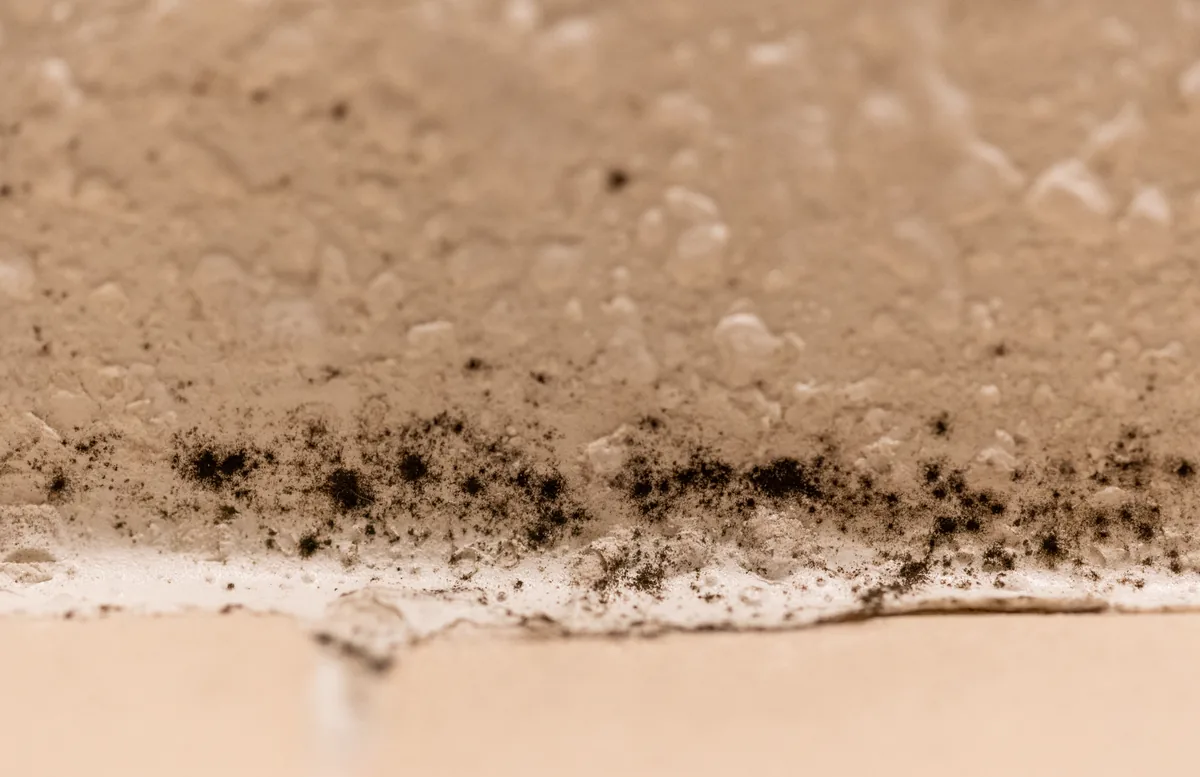
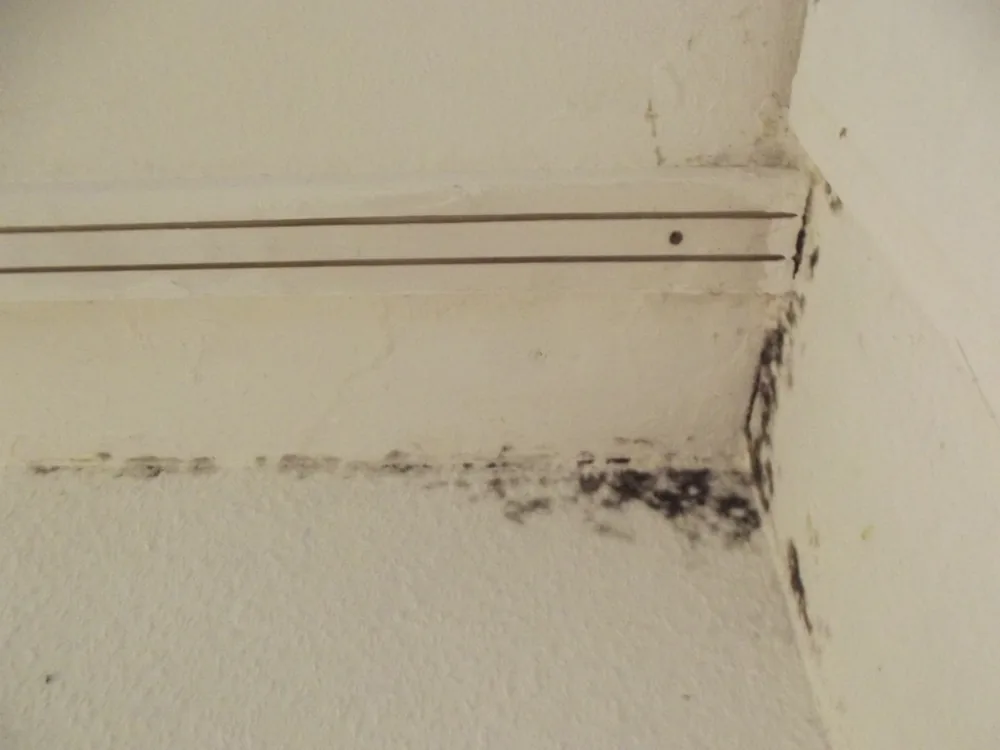

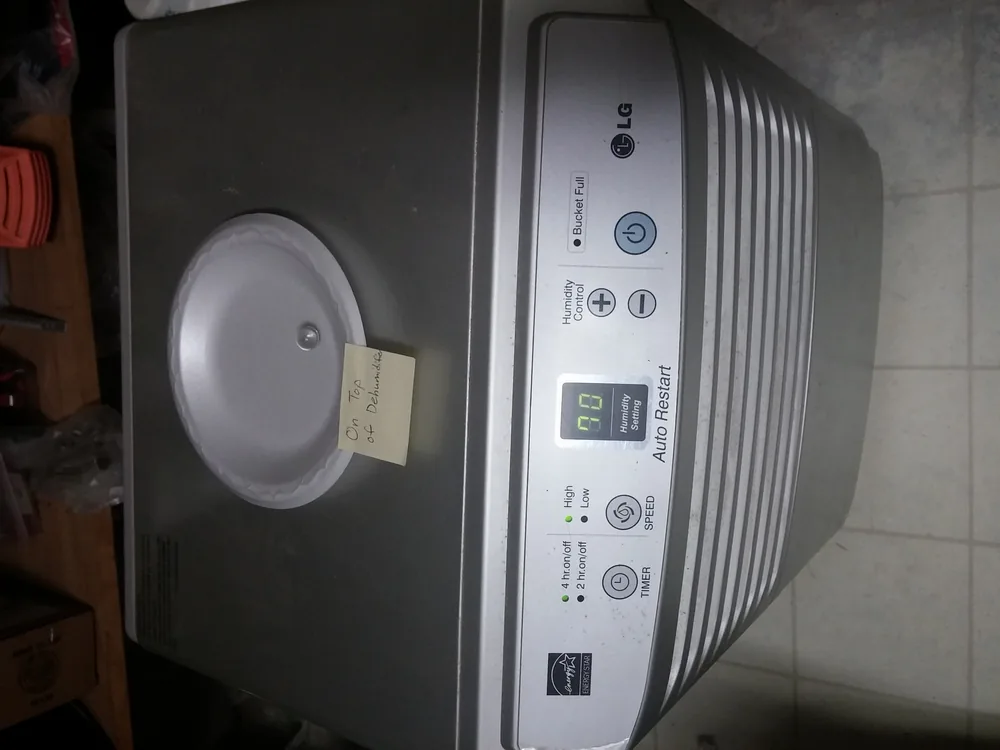
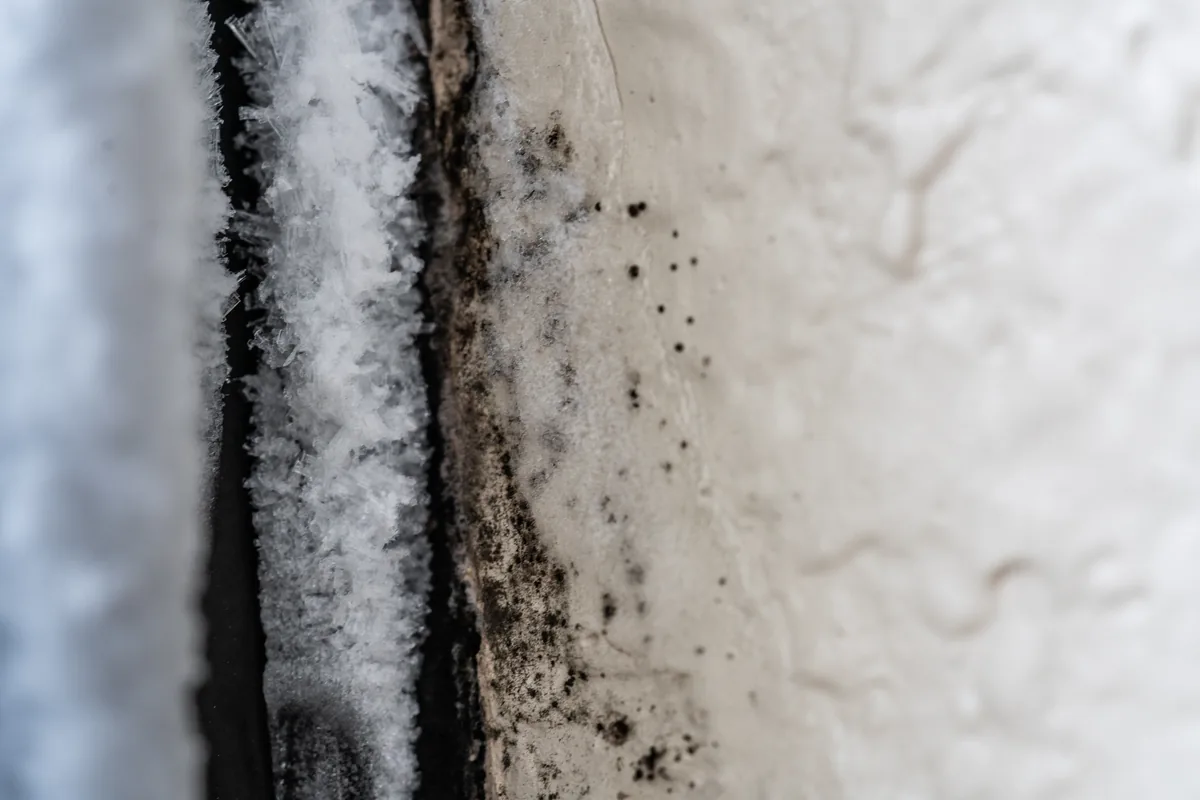

Slow leaks often cause the most extensive mold growth
A burst pipe is noticed immediately, but a slow seep behind a wall or under a cabinet can persist for weeks, creating ideal conditions for mold.
By the time a musty odor is noticeable, mold growth behind a fixture often exceeds recommended thresholds for professional cleanup.
For independent guidance on mold, moisture, and safe cleanup, see EPA: Mold guidance and CDC: Mold and health.
- Under-sink supply line and drain leaks in kitchens and bathrooms
- Slab leaks common in older Clarendon Hills foundations
- Water heater and washing machine connection failures
- Toilet wax ring leaks that soak the subfloor over time
Common locations for mold after a leak
Mold from plumbing leaks tends to appear in predictable locations, all of which are inspected, not just the immediate leak area.
Water from a sink fitting can travel along a subfloor or wall cavity far beyond the original drip point.
- Cabinet backs and floors under kitchen and bathroom sinks
- Subfloor around toilets and tub surrounds
- Wall cavities behind washing machines and water heaters
- Baseboards and drywall low on the wall near any fixture
Coordinating leak repair with mold remediation
Removing mold without fixing the leak leads to recurrence. Coordination with your plumber ensures the moisture source is resolved before closing walls.
Homes in the area with older galvanized or early copper plumbing are susceptible to pinhole leaks, making early detection important.
- Moisture source confirmed before remediation is called complete
- Cabinet, drywall and trim removal only where the meter says so
- Coordination with your plumber for the repair itself
Steps to take upon discovering a leak and mold
If safe to do so, shut off water to the fixture. Avoid disturbing the moldy area, as cleaning can aerosolize spores.
Call the 24/7 line for guidance on what to check while a local crew is scheduled, often for same-day service.
After the job
After the job: keeping it from coming back
Replace braided supply lines and washer hoses before they develop leaks
Place a water alarm under each sink, near the water heater, and the washer
Reset the toilet wax ring if the surrounding floor feels soft
Maintain an access panel behind tub plumbing for future cavity inspections
If it shows up again, or a new leak starts, call (844) 352-3560, the line is answered 24/7.
Good to know
Mold After Plumbing Leak in Clarendon Hills, IL: common questions
How can I tell if a leak caused mold?
Common indicators include a musty smell near a fixture, discolored cabinet backing, or a softened subfloor near a sink or toilet.
Can mold grow from a leak that was already fixed?
Yes. If the cavity remained damp long enough before the repair, mold growth may have already started, even if the leak is fixed.
How long does remediation for plumbing leak mold typically take?
The duration depends on the extent of water travel, but most single-fixture leaks are contained, removed, and dried within a few days.
Should I repair the leak before contacting a service?
Shutting off the water to the fixture can limit damage. Avoid disturbing moldy materials so the technician can properly assess them.
Do you coordinate with my plumber?
Yes. Scheduling is coordinated to ensure the leak repair and mold remediation occur in the correct sequence.
Related services
More mold services in Clarendon Hills, IL
Standards
Standards the work is done to in Clarendon Hills
Questions about the scope? Call (844) 352-3560, open 24/7.
Talk to the mold removal team now
Need Mold After a Plumbing Leak in Clarendon Hills, IL?
Call the 24/7 line and a local crew gets the problem contained fast, then removed the right way, to the IICRC S520 standard. A visit is often set the same day.