Clarendon Hills, Illinois
Water Damage Mold Cleanup and Removal in Clarendon Hills, IL
Water and mold travel together. Water damage mold cleanup in Clarendon Hills dries the structure to the IICRC S500 standard and removes mold to the S520 standard, working directly with your insurance carrier.
When you call
What happens when you call Clarendon Hills's 24/7 line
Call (844) 352-3560 any hour. The line is answered 24/7 and insurance is accepted.
The process
The water damage mold cleanup and removal process in Clarendon Hills, IL
Inspect
Moisture meters and thermal imaging locate water inside wall cavities, ceilings, and subfloors in Clarendon Hills homes.
Contain
Containment with plastic sheeting, negative air pressure, and HEPA filtration prevents spore spread to other rooms.
Remove
Saturated materials like drywall and insulation are removed from the structure for proper disposal.
Dry
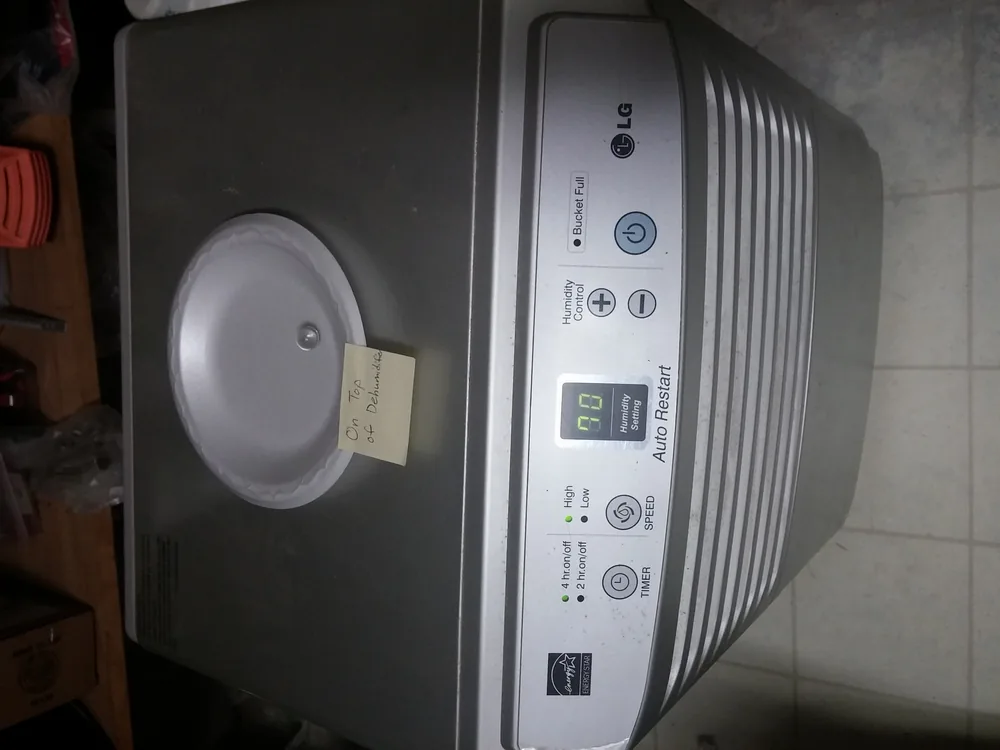
Air movers and dehumidifiers work to bring moisture levels back within a normal range, tracked with daily logs.
Verify
Final moisture readings confirm the Clarendon Hills property is dry before remediation is completed.
Why Clarendon Hills homeowners call
Water Damage Mold Cleanup done to the IICRC S520 standard in Clarendon Hills, IL
Work following IICRC S500 and S520 standards
Water categories, drying goals, containment, and clearance procedures follow published industry standards.
Documented, accountable remediation
Photographic documentation and daily moisture logs accompany the job, providing a clear record of the restoration process.
When to call
When to book Water Damage Mold Cleanup in Clarendon Hills
- A supply line, water heater, or washing machine hose fails
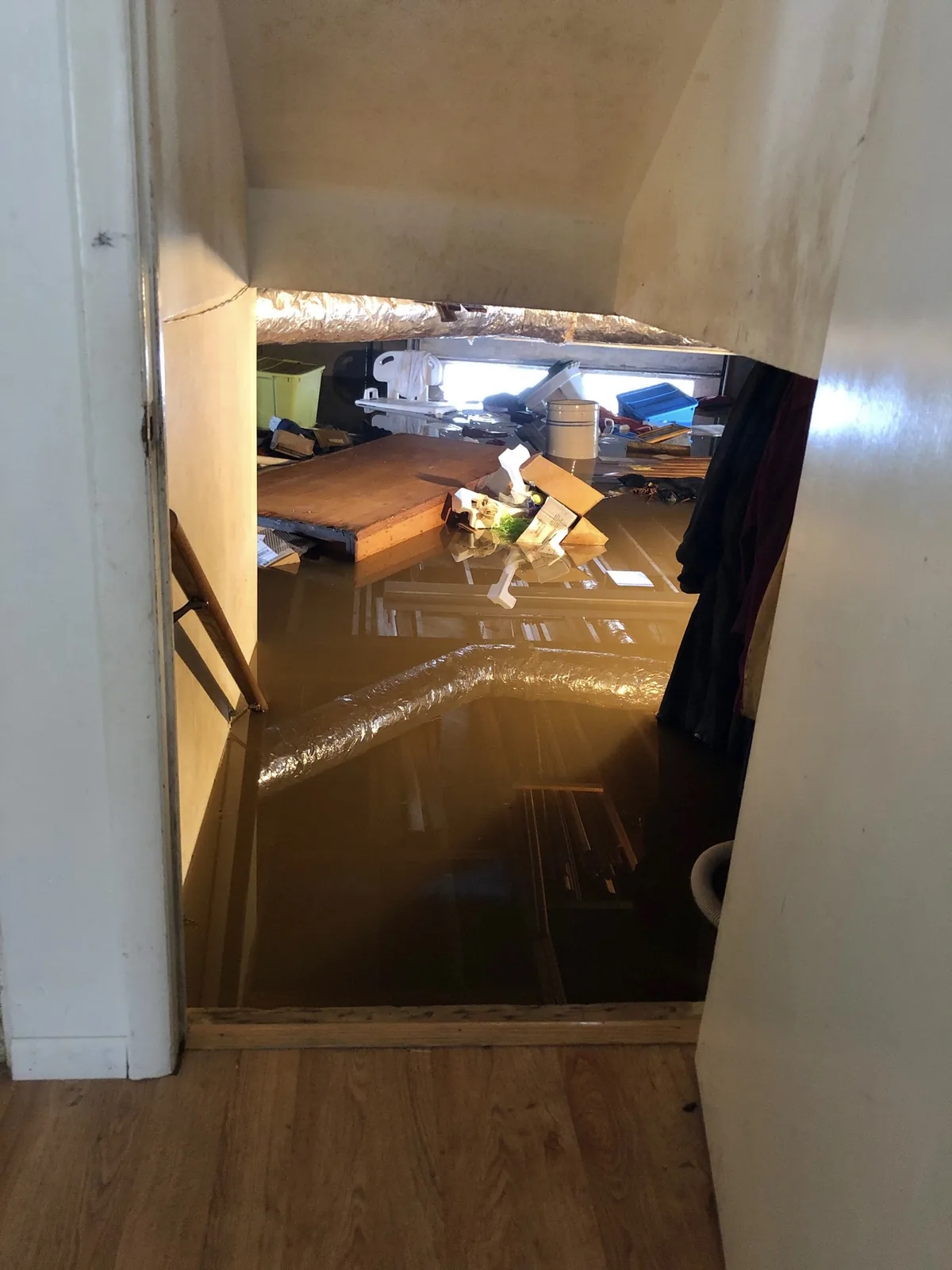
- Standing water remains more than 24 hours inside the home
- Snowmelt or storm water impacts a foundation wall
- A repaired leak left the wall or subfloor still reading wet
- Musty odor or bubbling paint appears weeks after a leak
- A ceiling stain continues to expand after a roof repair
Any one of these is reason enough to call (844) 352-3560, the line is answered 24/7.
Scope of work
What the crew removes and treats in Clarendon Hills homes
Drywall and gypsum
Drywall cut above the water line where drying is not possible
Fiberglass and cellulose insulation
Insulation removed if wet and unable to be dried inside the wall
Subfloor and OSB
Subflooring dried from below or removed if delaminated
Joists and framing
Framing HEPA-vacuumed, treated, and dried to target moisture levels
Carpet pad and laminate
Flooring discarded; tile and hardwood dried where readings permit
Ductwork and registers
Crawl spaces checked for standing water and cleaned as required
Not sure how far the damage runs? Describe it on the phone at (844) 352-3560, the line is answered 24/7.
By location
Water Damage Mold Cleanup by city
Water Damage Mold Cleanup covers Clarendon Hills and the whole DuPage County area. Pick your city for local detail and pricing.
Where the crews work
Water Damage Mold Cleanup across Clarendon Hills & the DuPage County area
From Clarendon Hills out to Hinsdale, Westmont, Willowbrook, and the DuPage County area. The same crews, the same 24/7 line.
What it costs
Mold removal cost in Clarendon Hills, IL
Every job is different, so these are the typical Illinois ranges. They are planning numbers, not a quote. Your price depends on how much mold there is, where it is, and what caused it.
A single moldy spot, a closet, or under a sink. The crew seals it off, removes it, and treats the surface.
A bathroom, kitchen, or bedroom with mold on a wall or ceiling, plus the moisture source fixed.
Larger areas that need more containment and drying. Common here after spring rain or a slow leak.
Mold across several rooms or after major water damage. The work runs in phases, room by room.
The surest way to get a firm number is to call and have the crew walk the space with you. Want a ballpark first? Try the instant mold remediation cost calculator. Filing a claim? Insurance is accepted and the contractor works with your carrier, so read the mold insurance claims guide.
Time and scope
How long Water Damage Mold Cleanup takes in Clarendon Hills, and what is included
How long the job takes
Water extraction and material removal typically take a day. The drying timeline depends on the amount and density of wet materials, tracked against dry standard readings each day.
What is included, what is booked separately
- Moisture mapping with meters and thermal imaging
- Extraction and removal of non-salvageable materials
- Containment with HEPA filtration and negative air
- Structural drying with air movers and dehumidifiers, logged daily
- Photo and moisture documentation for your insurance carrier
Booked separately: Rebuild and restoration, Clearance testing, Floor and subfloor mold removal.
For a firm schedule and a written scope, call (844) 352-3560, the line is answered 24/7.
On the job
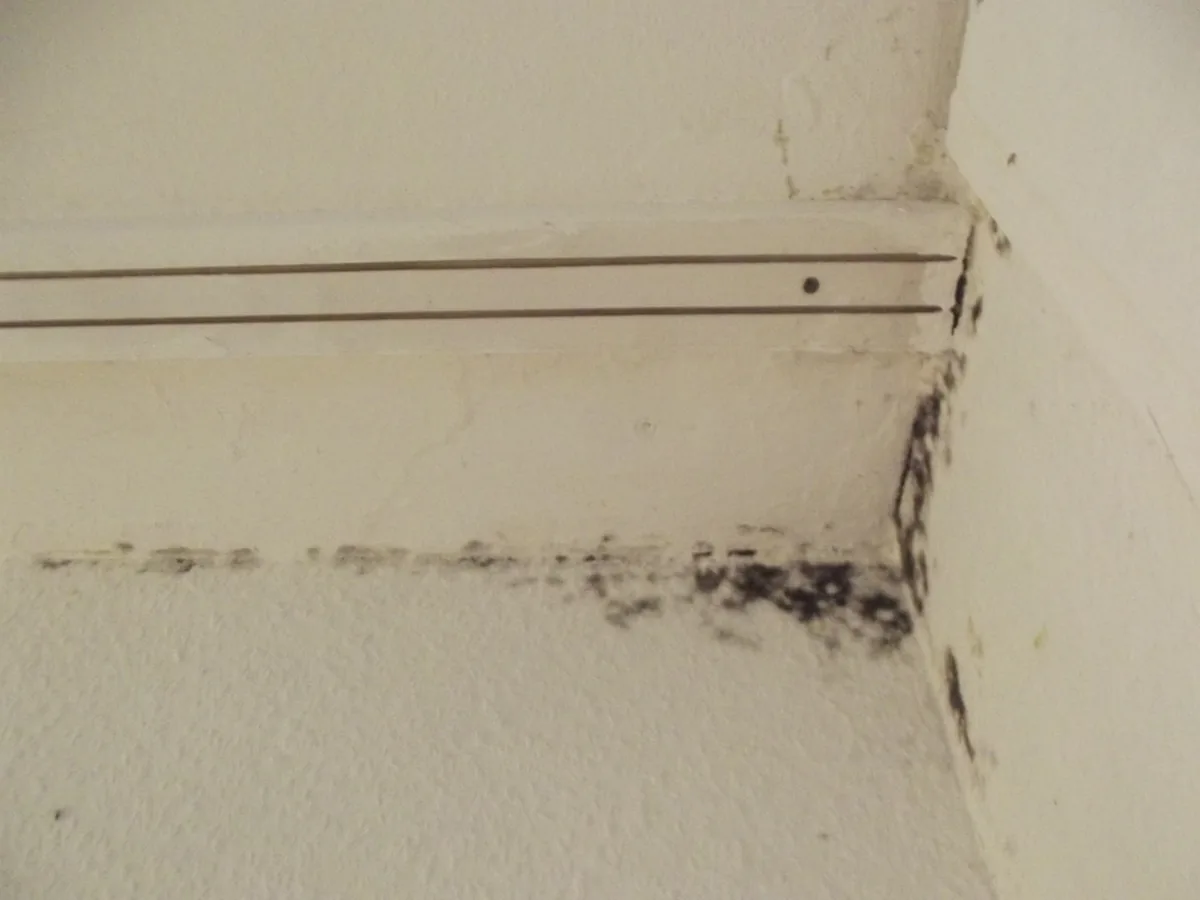
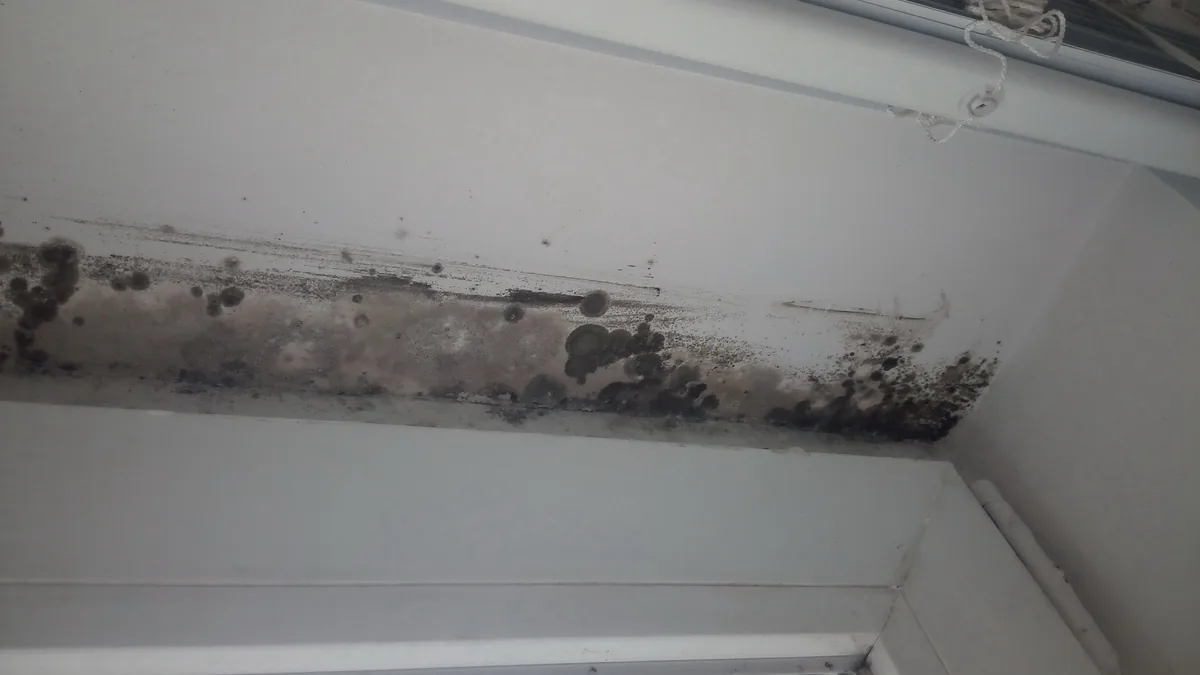
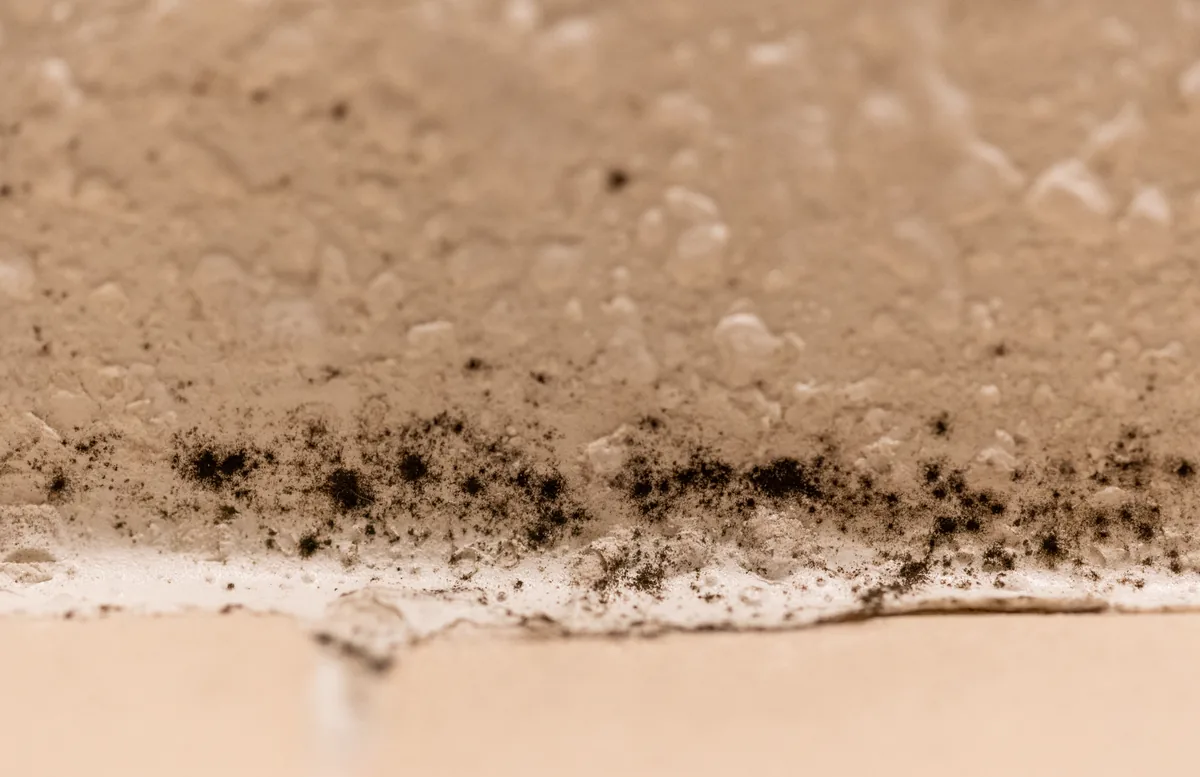
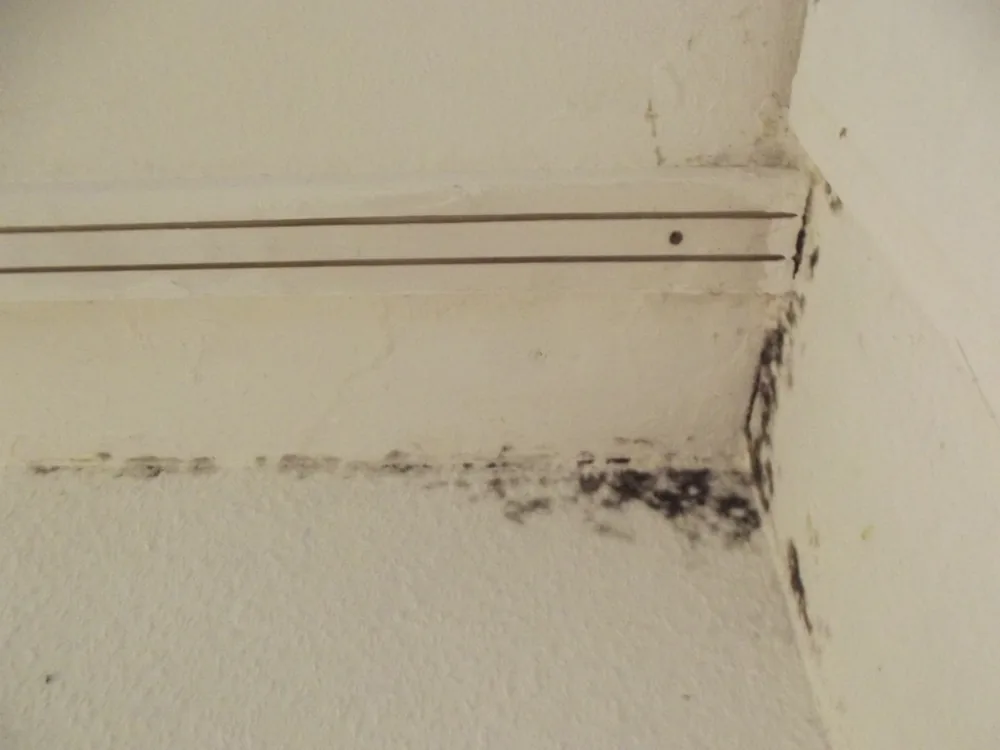
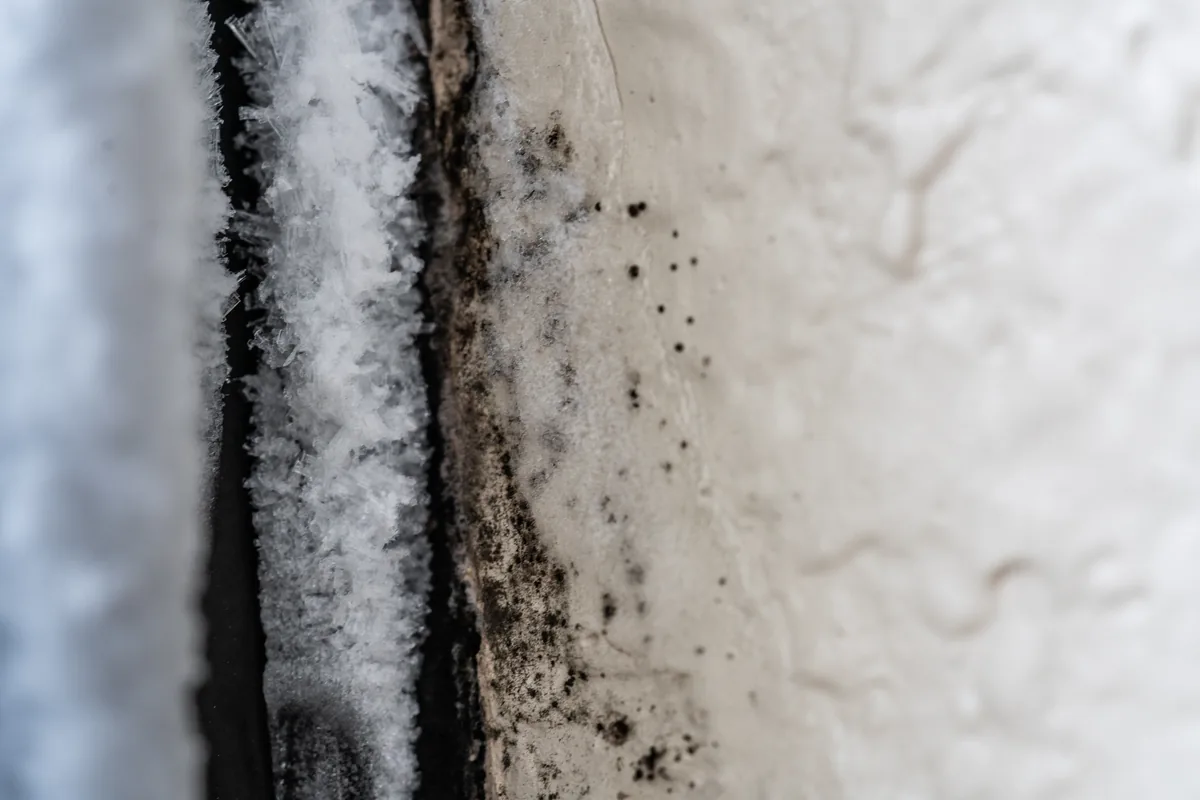
Mold remediation work in Clarendon Hills homes

Why water damage becomes a mold problem so fast
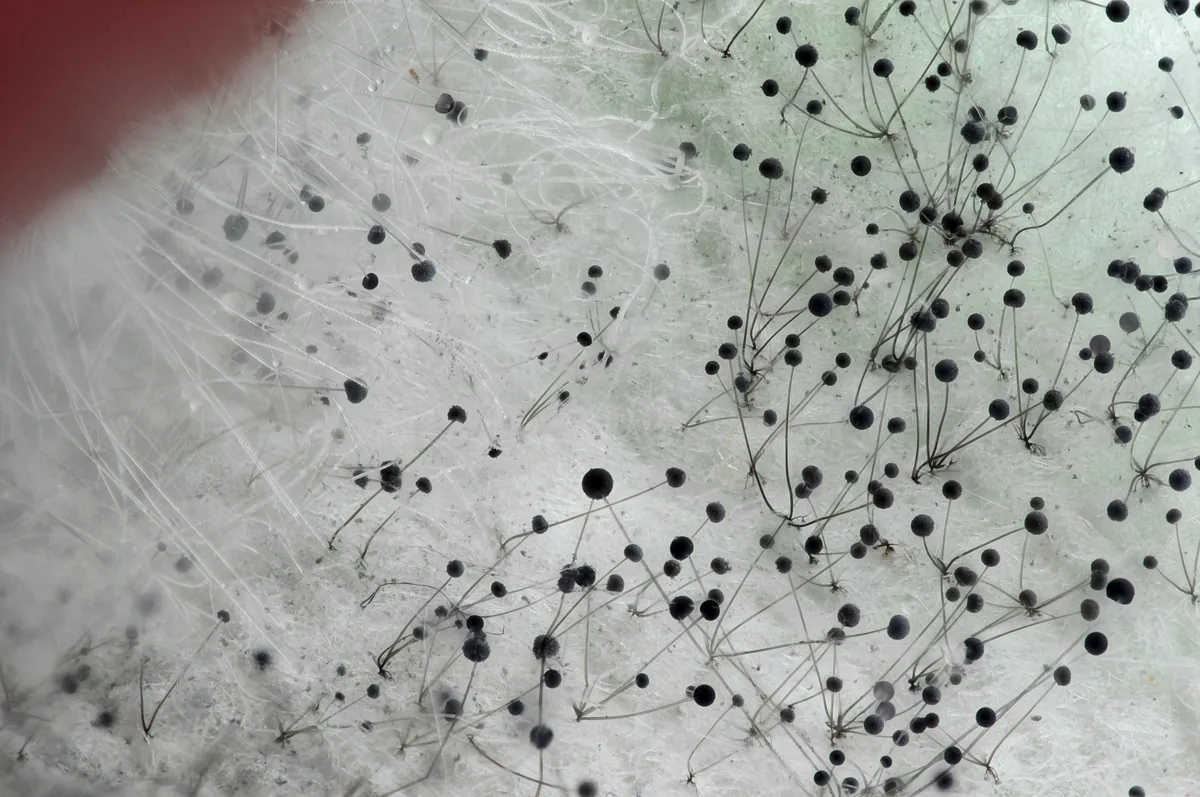
Mold spores are present in every home in Clarendon Hills and the DuPage County area. They only require moisture and time to start growing, typically within 24 to 48 hours.
Once drywall, subflooring, or insulation remains wet for more than a day or two, colonies establish behind surfaces, often unnoticed until a musty odor appears.
For independent guidance on mold, moisture, and safe cleanup, see EPA: A Brief Guide to Mold, Moisture and Your Home and CDC: Basic Facts about Mold and Dampness.
- Burst supply lines and slab leaks under older downtown Clarendon Hills homes
- Washing machine hose failures and water heater leaks
- Spring spring rain pushing groundwater against foundation walls
- Roof and window leaks that soak insulation slowly over weeks
How water damage and mold are handled together
Drying alone does not address mold once colonies have formed. Mold removal alone does not correct a moisture problem.
Both are addressed in one coordinated visit, following IICRC S500 for water damage and S520 for mold, ensuring the structure is fully restored.
- Moisture mapping across walls, floors, and ceiling cavities
- Containment so cleanup doesn't spread spores to unaffected rooms
- Removal of non-salvageable materials, then structural drying
- HEPA vacuuming and antimicrobial treatment of framing and other salvageable surfaces
What homeowners in Clarendon Hills should watch for
The local climate can create deceptive conditions. Since outdoor air is often dry, a persistent damp smell or fresh discoloration inside a home is a significant warning sign.
If a leak occurred weeks ago and a wall still smells musty, moisture is likely trapped inside the cavity where surfaces never fully dried.
- Musty odor that doesn't fade after a leak is repaired
- Discoloration or bubbling paint near a known leak point
- Warped baseboards or soft spots in flooring
- Higher indoor humidity readings than the rest of the house
Insurance and next steps
Many water damage mold claims are handled through a homeowner's policy. Insurance is accepted, damage is documented with photos and logs, and the process works with your carrier.
Call the 24/7 line upon noticing standing water, a leak, or a musty odor. A swift response limits how far moisture travels through the building materials.
After the job
After the job: keeping it from coming back
Replace rubber washing machine hoses with braided stainless steel lines.
Monitor humidity with a hygrometer, maintaining levels between 30 and 50 percent.
Extend downspouts and regrade soil to direct runoff away from the foundation.
Inspect water heater pans and supply lines biannually.
If it shows up again, or a new leak starts, call (844) 352-3560, the line is answered 24/7.
Good to know
Water Damage Mold Cleanup in Clarendon Hills, IL: common questions
How quickly can mold grow after water damage?
Under conducive conditions, growth can begin within 24 to 48 hours of a surface remaining wet, highlighting the importance of rapid response.
Will insurance cover water damage mold cleanup?
Coverage depends on the specific policy and cause of water intrusion. Insurance is accepted and claims are documented thoroughly for the carrier.
Can drying be done independently with fans?
Fans circulate air but often fail to dry a wet wall cavity or subfloor completely, and mold can develop before the structure is fully dry.
Is drying and mold removal handled together?
Yes. The process integrates moisture mapping, structural drying, and mold removal as one coordinated job.
What if the water damage occurred weeks ago?
Older water damage often indicates mold has already started behind walls or under flooring. The inspection assesses hidden damage beyond what is visible.
Related services
More mold services in Clarendon Hills, IL
Standards
Standards the work is done to in Clarendon Hills
Questions about the scope? Call (844) 352-3560, open 24/7.
Talk to the mold removal team now
Need Water Damage Mold Cleanup in Clarendon Hills, IL?
Call the 24/7 line and a local crew gets the problem contained fast, then removed the right way, to the IICRC S520 standard. A visit is often set the same day.